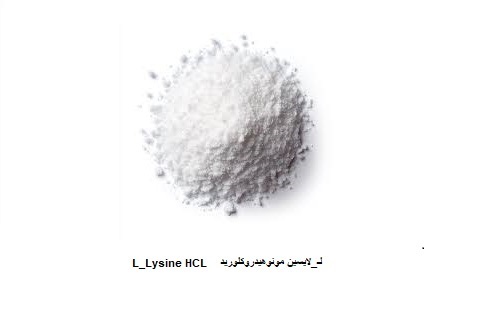
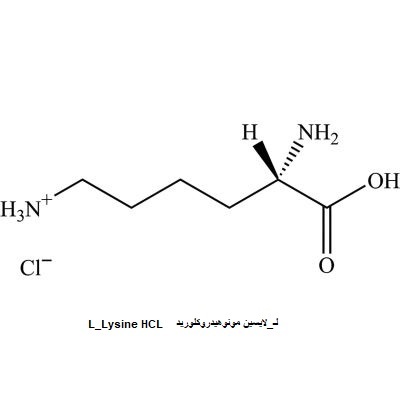
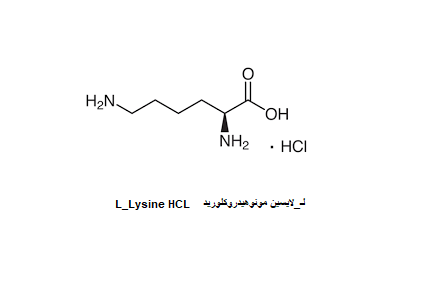
• Uses of L_Lysine HCL in the veterinary medicine sector:
L-Lysine is crucial for protein synthesis, supporting muscle development and overall growth in animals, particularly in monogastric species like pigs and poultry.
• Uses of L_Lysine HCL in Human Medicine:
- Chelating Agent: Although limited in direct pharmaceutical applications due to its industrial focus, it can be used in pharmaceutical water systems to control scaling and maintain equipment hygiene.
- Process Equipment Maintenance: In pharmaceutical manufacturing, it is occasionally used to maintain clean systems by controlling scale in steam generation and purified water loops.
• Uses of L_Lysine HCL in Agriculture:
- Micro-Nutrient Stabilizer: It chelates essential nutrients, such as calcium, magnesium, and iron, making them more available for plant uptake in agricultural and hydroponic applications.
- Water Quality Improvement: Used in irrigation systems, it improves water quality by preventing scale, enhancing the effectiveness of fertilizers, and reducing clogging in irrigation lines.
• Use of L_Lysine HCL in the Cosmetics Sector:
- Lysine monohydrochloride, the salt form of the amino acid lysine, is a potent and effective ingredient in cosmetics and skincare products, acting as a skin conditioner and protector.
- Enhancing skin hydration: Lysine helps improve skin hydration by facilitating the balanced transport of water across its layers, increasing elasticity and smoothness. Collagen and structural protein production: Lysine is a building block for structural proteins (such as collagen), essential for maintaining skin firmness and a youthful appearance. Anti-aging and firming: Thanks to its ability to boost collagen production, it is included in the formulations of anti-aging and firming products (such as stretch mark treatments) It is used in products designed to improve skin elasticity and reduce stretch marks. It also soothes the skin and provides post-cosmetic care: it is used in post-chemical peel or laser rehabilitation products to help repair the skin.
• Use of L_Lysine HCL in Dietary Supplements and Muscle Building:
- L-Lysine monohydrochloride is a form of the essential amino acid lysine, widely used in dietary supplements for its vital role in supporting overall health and muscle building. The monohydrochloride (HCl) form is preferred due to its high solubility, making it faster and more readily absorbed by the body.
• Other uses of L_Lysine HCL:
Scale Inhibitor: It is highly effective in preventing the formation of scale in industrial water systems, such as cooling towers and boilers, by inhibiting the deposition of calcium carbonate and calcium sulfate.
Corrosion Prevention: Its ability to form a protective layer on metal surfaces helps reduce corrosion, extending the life of equipment in water treatment facilities.
Scale Control in Wells: It is used in oilfield operations to control scale buildup in oil and gas wells, preventing blockages and maintaining optimal flow rates.
Enhanced Oil Recovery (EOR): It can be injected into oil reservoirs to improve water compatibility and reduce scaling, enhancing oil recovery and equipment longevity.