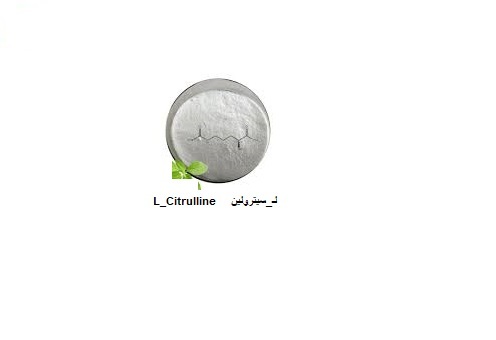
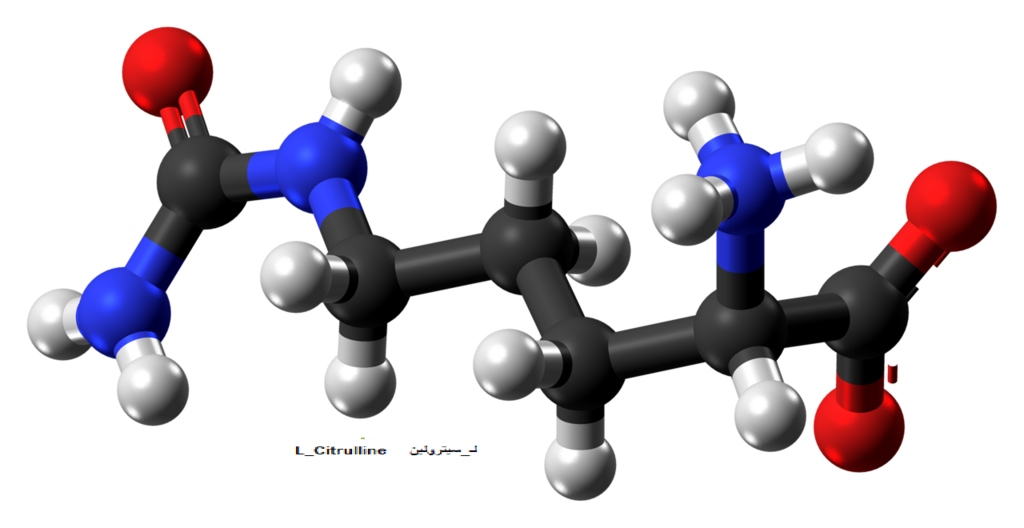
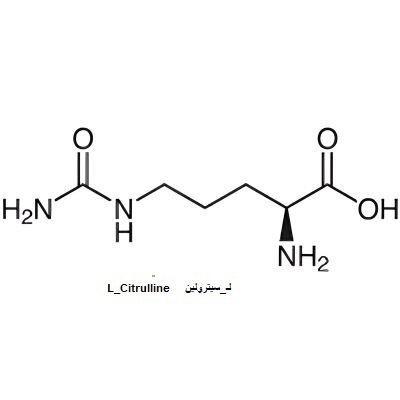
L-Citrulline is a naturally occurring amino acid commonly used as a dietary supplement to support cardiovascular health, enhance exercise performance, and reduce muscle fatigue. It plays a key role in the urea cycle, helping remove ammonia from the body, and boosts nitric oxide production, improving blood flow and oxygen delivery to muscles. Popular among athletes, it is valued for its ability to enhance endurance, recovery, and overall energy levels, while also supporting immune function and general wellness
• Uses of L_Citrulline in the veterinary medicine sector:
Supporting Animals During Heat Stress (Poultry and Livestock):
• Citrulline is used as a nutritional supplement to counteract the negative effects of heat stress (such as reduced egg production and impaired growth).
• It improves intestinal health, reduces the production of inflammatory factors, and enhances intestinal immunity under high-temperature conditions.
Improving Liver Function and Metabolic Performance (Horses and Large Animals):
• Citrulline is included in the formulation of veterinary injectable solutions (e.g., with carnitine) to increase activity, improve fat metabolism, and delay muscle fatigue.
• It helps treat liver problems and improve feed conversion efficiency (increased fattening and milk production).
Treatment of Hyperammonemia (Cats and Dogs):
• Used to treat hyperammonemia in pets, especially those with amino acid deficiencies, as it helps reduce ammonia levels in the blood.
Improving Gut Health and Supporting Immune System Health:
• Citrulline helps reduce programmed cell death (ferroptosis) in the intestines and decreases intestinal permeability (damage to the intestinal barrier).
• Promotes the growth of beneficial bacteria in the gut, thus improving overall digestive health.
Aiding Detoxification:
• It is included in the formulations of liver medications to support the urea cycle, helping to convert toxic ammonia into urea for elimination, especially when used with betaine and sorbitol.
• Uses of L_Citrulline in Human Medicine:
Improving Athletic Performance and Reducing Fatigue:
• Increased Physical Performance: Used in sports supplements to enhance endurance, increase strength, and improve blood flow to muscles.
• Reduced Muscle Fatigue: Helps lower ammonia and lactic acid levels resulting from anaerobic exercise, thus delaying fatigue, and accelerating muscle recovery.
Treating Erectile Dysfunction:
• Used as an alternative or adjunctive treatment for mild to moderate erectile dysfunction.
• Works by increasing nitric oxide production, which helps relax blood vessels and increase blood flow to the penis.
• Studies indicate its effectiveness when used in doses ranging from 1.5 to 3 grams daily.
Cardiovascular Health:
• Lowering Blood Pressure: Helps improve blood vessel health and lower high blood pressure in some individuals.
• Treating Pulmonary Hypertension: Some studies have shown that citrulline helps prevent pulmonary hypertension after surgery.
Metabolic Uses:
• Urea Cycle: Used to treat certain metabolic disorders resulting from a deficiency of urea cycle enzymes, as it helps the body eliminate excess ammonia.
Other health benefits:
• MELAS syndrome: Used as an adjunct therapy in MELAS syndrome (a genetic disorder affecting energy production) to improve nitric oxide production.
• Improved wound healing: May help improve vascular problems and slow wound healing, especially those resulting from diabetes.
• Uses of L_Citrulline in Agriculture:
L-citrulline (known as an amino acid abundant in watermelon) is not used directly as a fertilizer or pesticide in traditional agricultural practices. Rather, its role is concentrated in the context of agriculture and by-products as an amino acid that may (like other amino acids) contribute to supporting plants when exposed to environmental stresses and improving nitrogen status.
• Use of L_Citrulline in the Cosmetics Sector:
Improving skin appearance and youthfulness:
Used in creams and skincare products to support collagen production, helping to maintain firmer, more youthful-looking skin.
Boosting skin circulation:
Acts as a nitric oxide stimulant, which enhances blood flow and ensures nutrients reach skin cells, contributing to skin radiance and repair.
Hair care products:
Included in hair thinning treatment formulations, as improved blood circulation in the scalp helps promote healthy hair follicles.
As an antioxidant (in some contexts):
Can help protect the skin from oxidative stress.
• Use of L_Citrulline in Dietary Supplements and Muscle Building:
Increased Blood Flow:
It improves vasodilation, ensuring better delivery of nutrients and oxygen to muscles during exercise.
Enhanced Endurance:
It helps reduce the buildup of ammonia and lactic acid, delaying fatigue and increasing the number of repetitions in resistance training.
Promoted Muscle Recovery:
It reduces muscle soreness after exercise, allowing for increased training frequency and intensity.
Supported Protein Synthesis:
It may contribute to stimulating muscle protein synthesis, supporting increased muscle mass.